
Concrete patio construction in Hayward CA - a slab that drains away and stays level
Cracked, sinking or puddling against the house? We build patios on a packed base with a slope that sends rainwater out into the yard.
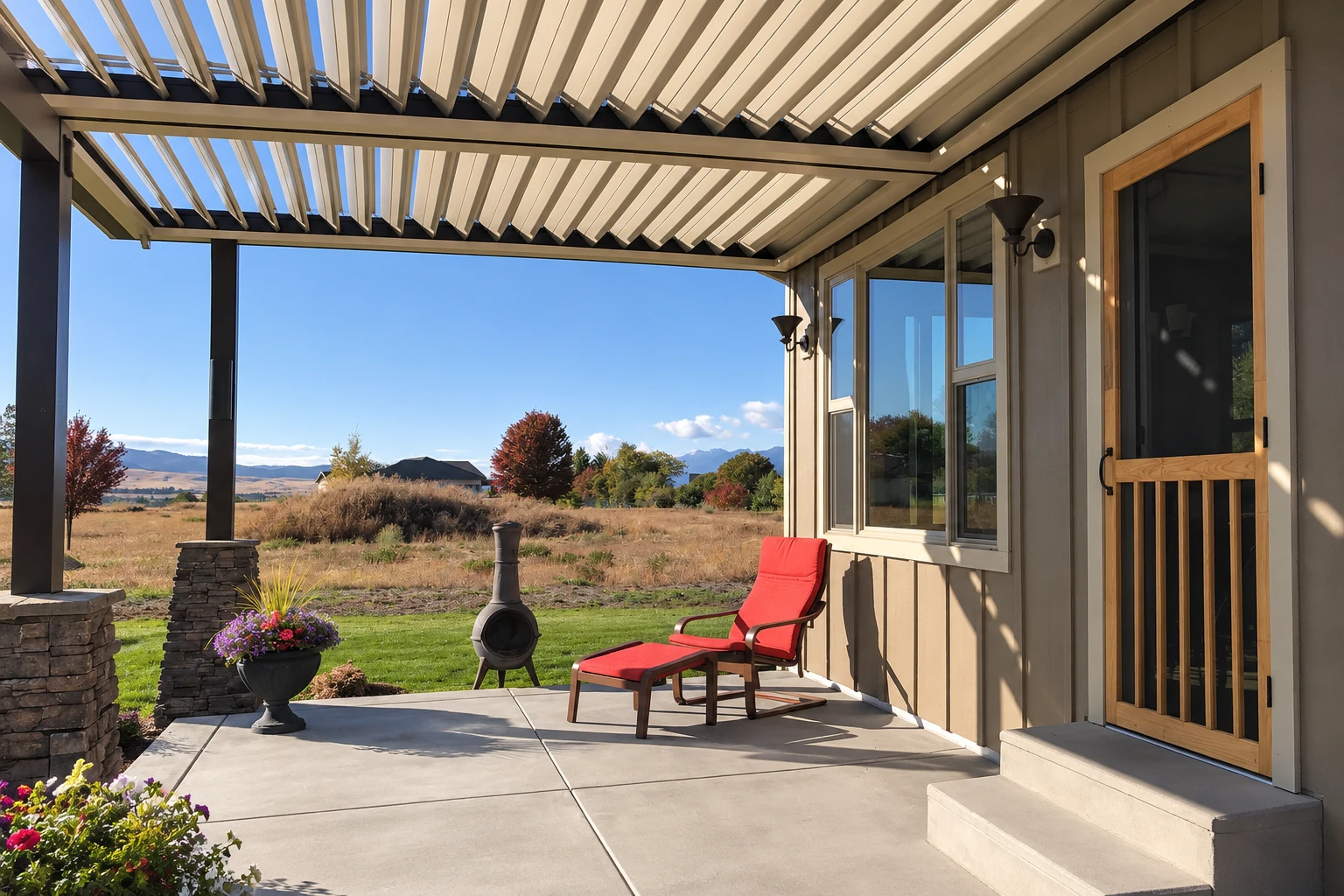
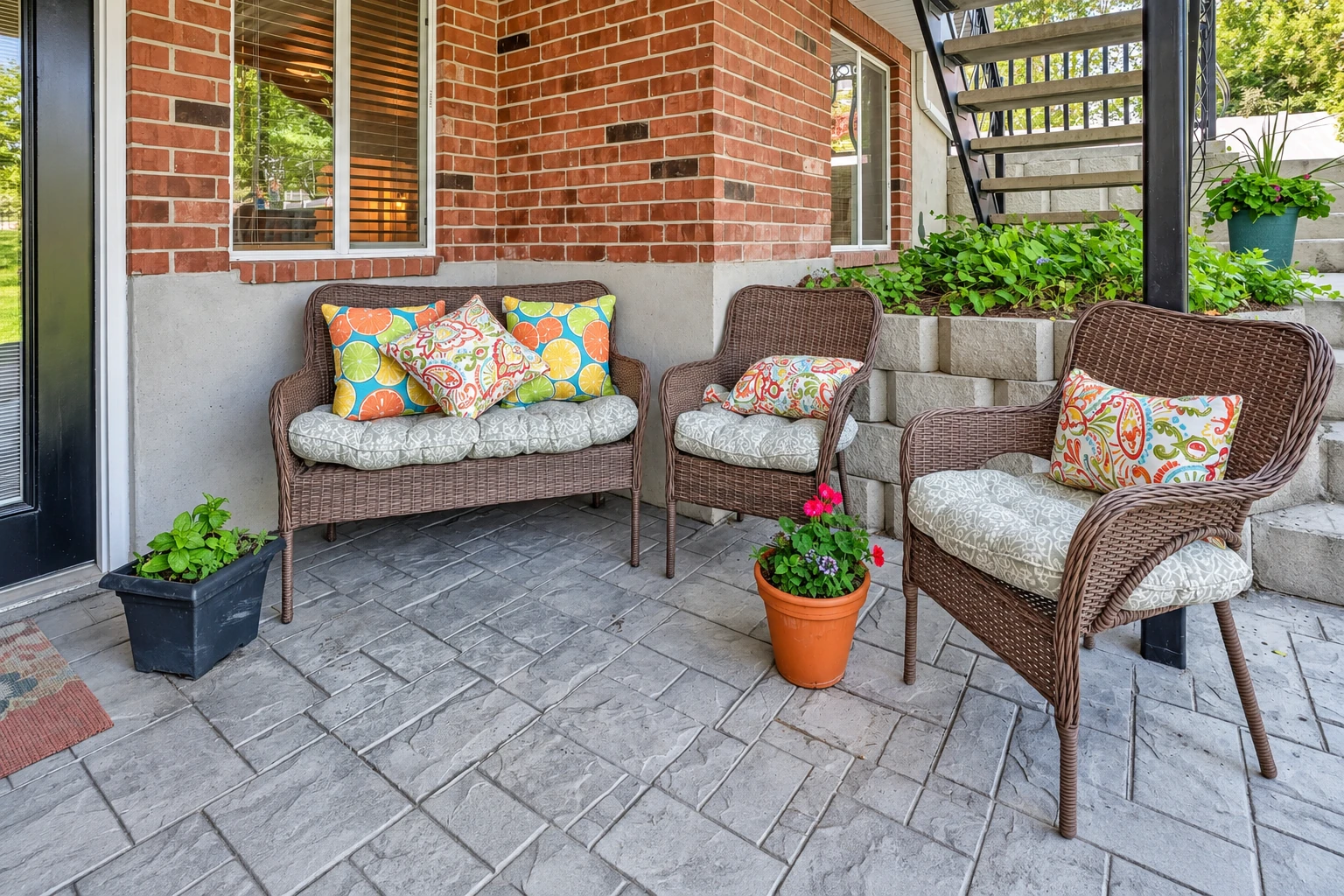
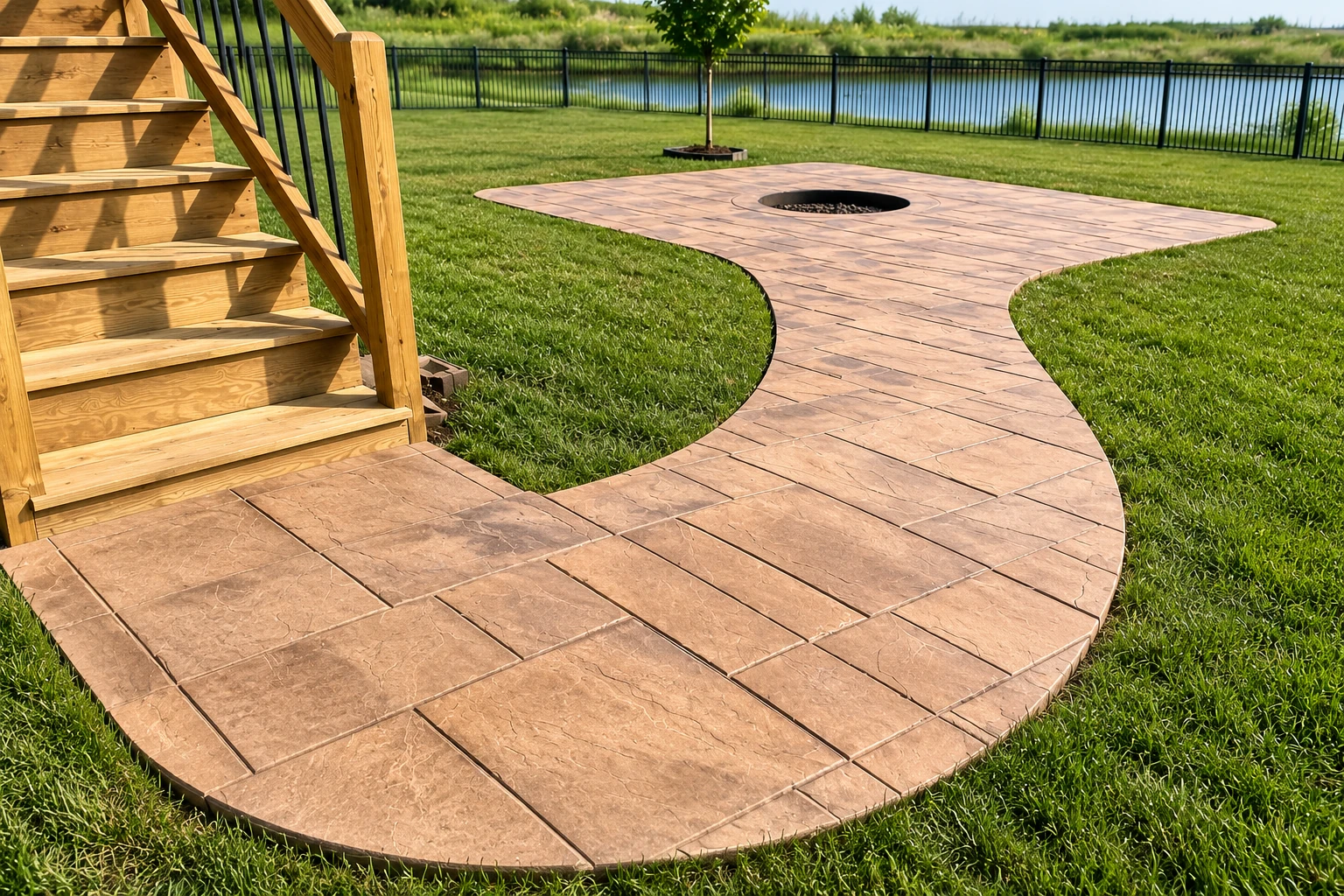
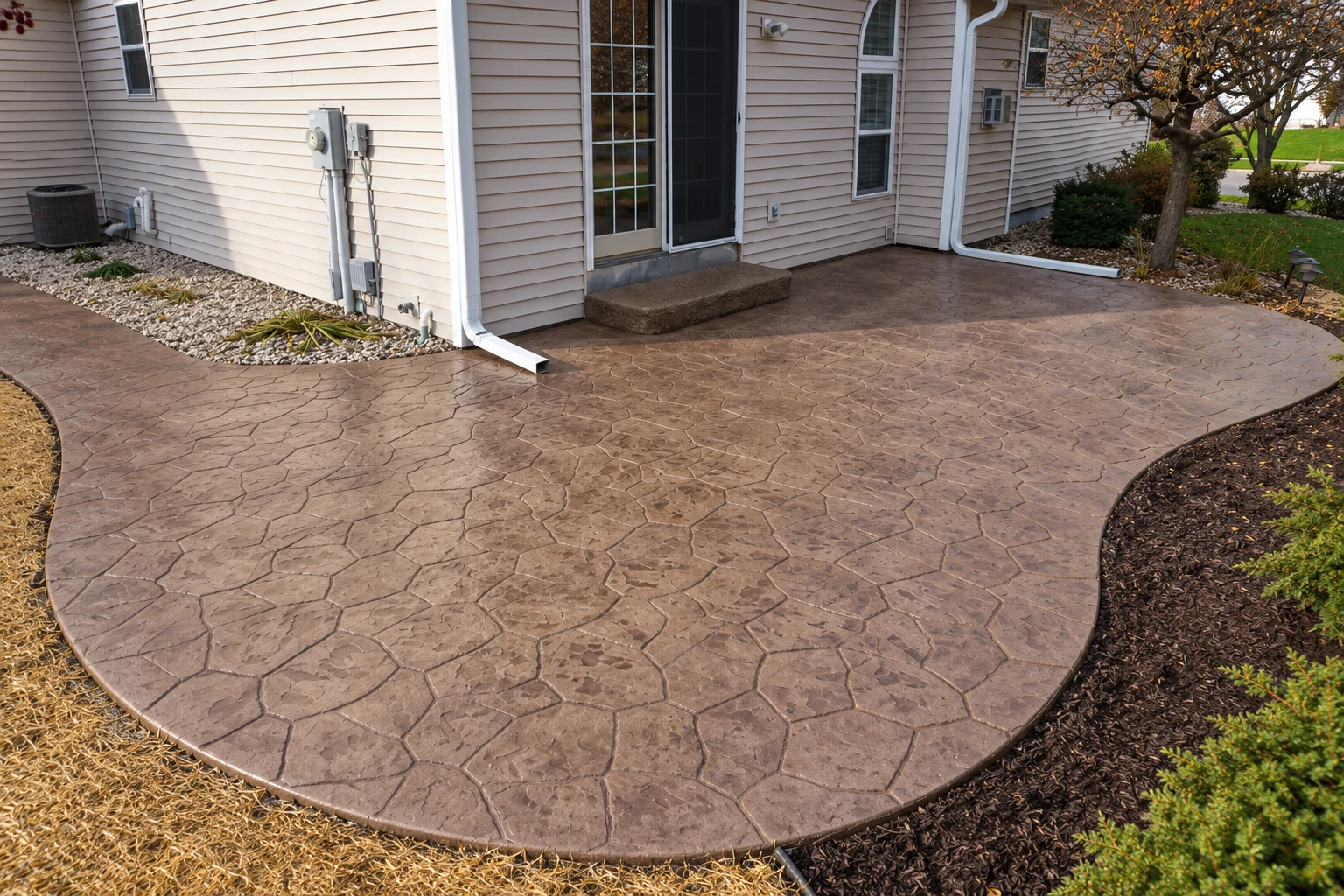
- Fully licensed and insured.
- Free quotes on site.
- Replies within 1 business day.
What goes into building a concrete patio in Hayward?
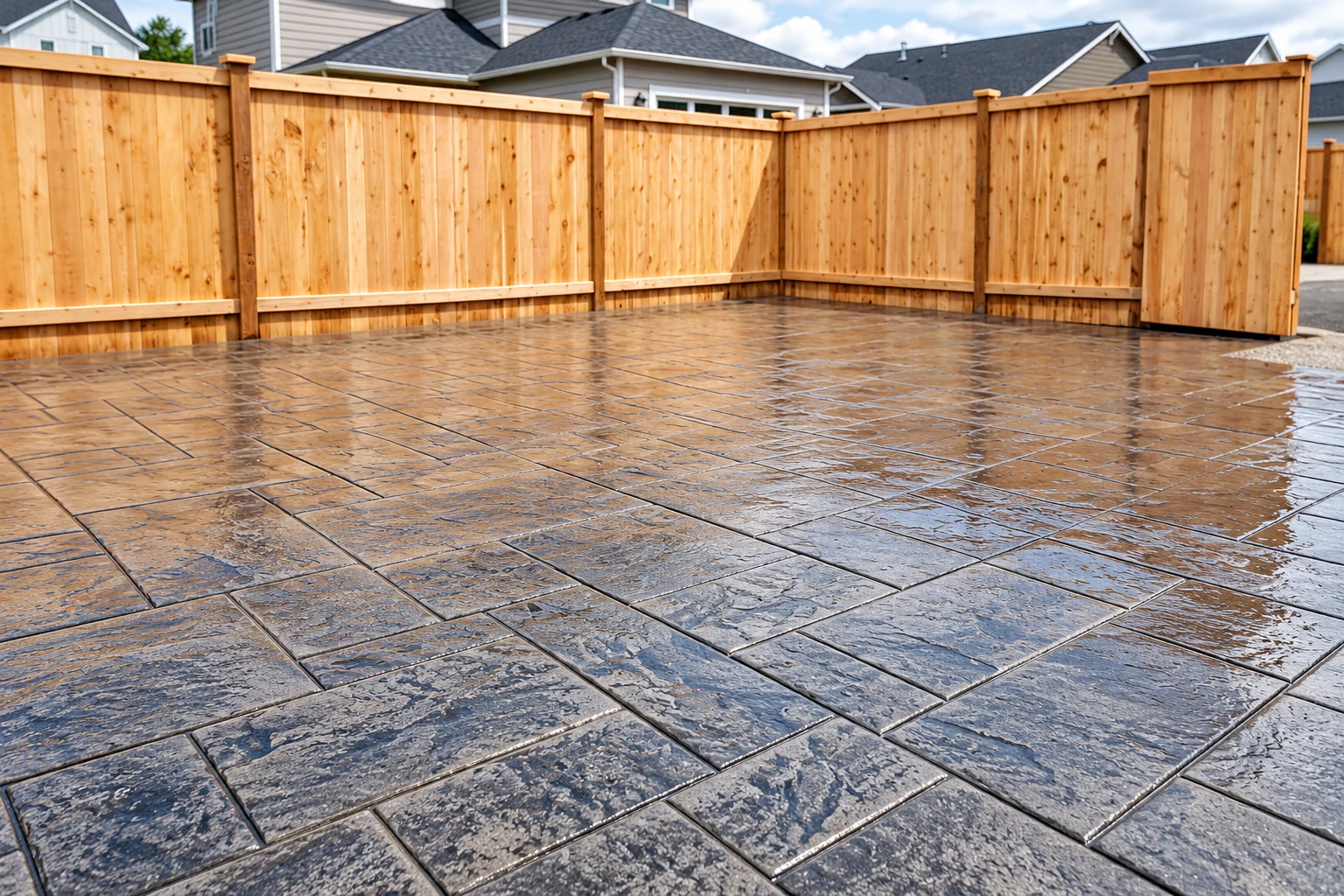
Concrete patio construction in Hayward starts with digging out and packing a solid base. Then we set a slope that carries water away from your house and pour a slab with joints planned for where it's allowed to crack. Most of the work happens in the ground before the truck shows up, and the new patio then needs several days to cure before you put it to use.
Maybe your old patio has cracked and dropped at one corner, or you're looking at bare dirt off the back door and want somewhere to put a table. The price moves with the patio's size, how much digging and hauling it takes to reach good ground, whether old concrete has to come out first and how close a truck can get to the yard. The schedule turns mostly on the prep, the weather on pour day and the days the slab needs to cure. I'll come out, look at your yard and write up an estimate that spells out the work and the price.
How do you know it's time for a new patio?
Cracks that keep growing
You see cracks that get wider each year, and one side of a crack sits higher than the other. That usually means the ground underneath has moved or the slab had nowhere planned to crack, and waiting lets water get under it, so the edges break up and become a tripping spot.
A corner that's sinking
One end of the patio has dropped, or a gap has opened where it meets the house. Most of the time the base was raked flat instead of packed, so the dirt settled and the concrete went with it, and the longer it sits the more of it has to be broken out.
Water running toward the house
After a rain, water sits against the wall or the ground along the foundation stays wet. That usually means the slab falls the wrong way, and every wet season it keeps sending water right where you don't want it.
How we build a concrete patio
Most of a good patio happens before the pour, so that's where we spend our time. We dig out the topsoil and any soft fill, then bring in base rock and pack it until the subgrade, the ground the slab sits on, is firm and even under the whole patio. We set the forms with a slope that carries water away from the house, and I mark out the joints with you so they look like part of the design instead of random lines. We pour early in the day rather than in the midday heat, because a slab that dries too fast ends up with a weak, dusty top. Then we cut the control joints, shallow grooves that tell the slab where to crack, before it has a chance to pick its own spot. If the budget gets tight, I'll tell you to cut back somewhere you can see and leave the base alone, because nobody can fix the base once there's concrete on top of it.
A new patio usually needs a way to get to it, and our concrete sidewalk building work can tie a path from the driveway or side gate into the same layout and slope. If you want the patio to look like something other than plain concrete, that's what our stamped concrete services are for, and we plan the base and drainage the same way underneath.
Patio off the back door
This suits most homeowners who want a place to sit right outside the house. Because the slab touches the house, the slope away from the foundation matters more here than anywhere else, so we set it before anything else is decided.
Replacing a cracked patio
This suits you if the old slab has sunk, tipped or broken up. We break it out and haul it away, then find out what went wrong underneath, so the new one doesn't sit on the same bad base.
Get your patio priced, on site and free
Send the form and we'll reply within one business day to set up a visit. I'll come out, walk the yard with you and write up a free estimate. There's no obligation to go ahead.
(510) 333-4444Building a concrete patio on Hayward ground
A lot of the ground here is clay that swells when it's wet and shrinks as it dries out. One soil data site puts more than a third of Alameda County's soil in that category. Engineers who studied one building site in Hayward found old fill and that kind of clay under the planned slabs, and they expected some settling, tilting and cracking wherever it couldn't all be dug out. So we dig until we hit firm ground, take out the loose fill we find and pack a solid base. I'll also tell you plainly that concrete on clay can still move a little. We're based in Hayward and work in the cities around it across the East Bay and over on the Peninsula, and we run into the same clay on jobs in San Lorenzo and Union City.
Water has to go somewhere, and one of the city's stormwater checklists lists sending patio runoff onto planted ground, so we aim the slope toward a lawn or a bed, not the house. Whether your patio needs a permit isn't something I'll guess at. The city's Permit Center takes the forms for building projects, and you can call them at (510) 583-4005. When a job needs a permit, we handle the paperwork and inspections with you.
What happens when you call about a patio in Hayward?
Call or send the form
We get back to you and set up a time for me to come see the yard. It helps if you can tell us roughly where you want the patio and what's there now.
I walk the yard with you
I look at the ground, where the water runs now and what you want the patio for. The estimate lists the base work, the slope and the joint plan line by line, so you can see what you're paying for.
We prep, pour and finish
We line up any permits and engineering, and our crew does the prep, the pour and the finish with me running the work. The city allows construction from 7 a.m. to 7 p.m. Monday through Saturday and 10 a.m. to 6 p.m. on Sundays and holidays, so trucks and pours are scheduled inside those hours.
Walk the finished patio
We go over the patio with you once it's done and check how the water runs off. I'll also tell you how to keep it protected while it cures.
Frequently asked questions
How much does a concrete patio cost per square foot in Hayward?
In nearby San Francisco, a concrete patio usually costs about $6 to $15 per square foot. That's the going range across the market, not our price. Where your patio lands depends mostly on how much base work your ground needs and whether an old slab has to come out first. The estimate I write for your yard gives you the actual Hayward number.
Will my new concrete patio crack?
It can, because concrete shrinks as it dries and moves as temperatures change, and that's why planned joints matter so much. The joints give the slab a straight, chosen line to crack along instead of a jagged one across the middle. Steel doesn't take the place of joints, either, since a concrete institute guide says steel fibers, like regular reinforcement, won't prevent cracking.
Why is there a puddle on my concrete patio after it rains?
A few shallow puddles are normal, even on a slab that slopes the right way. Contractors call them birdbaths, and they come from the small tolerances of building a slab and normal changes to the surface over time. Water pooling against the house is a different problem, and it usually means the slope runs the wrong way.
How much should a concrete patio slope away from the house?
Building America guidance says a patio within 10 feet of the foundation should slope down and away from it at a 2% grade. You won't notice that much fall when you walk on it, but it keeps rainwater moving out toward the yard. We build that slope into the layout and the quote from the start.
How long does a new concrete patio take to cure?
One trade guide, written for another region, says curing should start right after finishing and last at least 7 days for outdoor slabs. Curing means keeping the new concrete from drying out too fast so it can gain its strength. Plan on keeping the patio protected that week, with heavy furniture and the grill kept off it.
What causes a concrete patio to sink?
Usually it's the ground under it, because a base that wasn't graded and packed properly settles and the slab follows it down. That settling is also what causes the cracks nobody planned for. Clay that swells and shrinks can add to it, which is why we put so much time into the base.
Hayward, CA
Start planning your new concrete patio
Have the patio's rough size and how far it sits from the house ready, and I can come out already thinking about the slope and the base.