
Concrete steps construction in Hayward CA - steps that stay solid underfoot
Steps cracked, sinking or pulling away from the house? We build new ones on a solid footing and steel, broomed for grip.
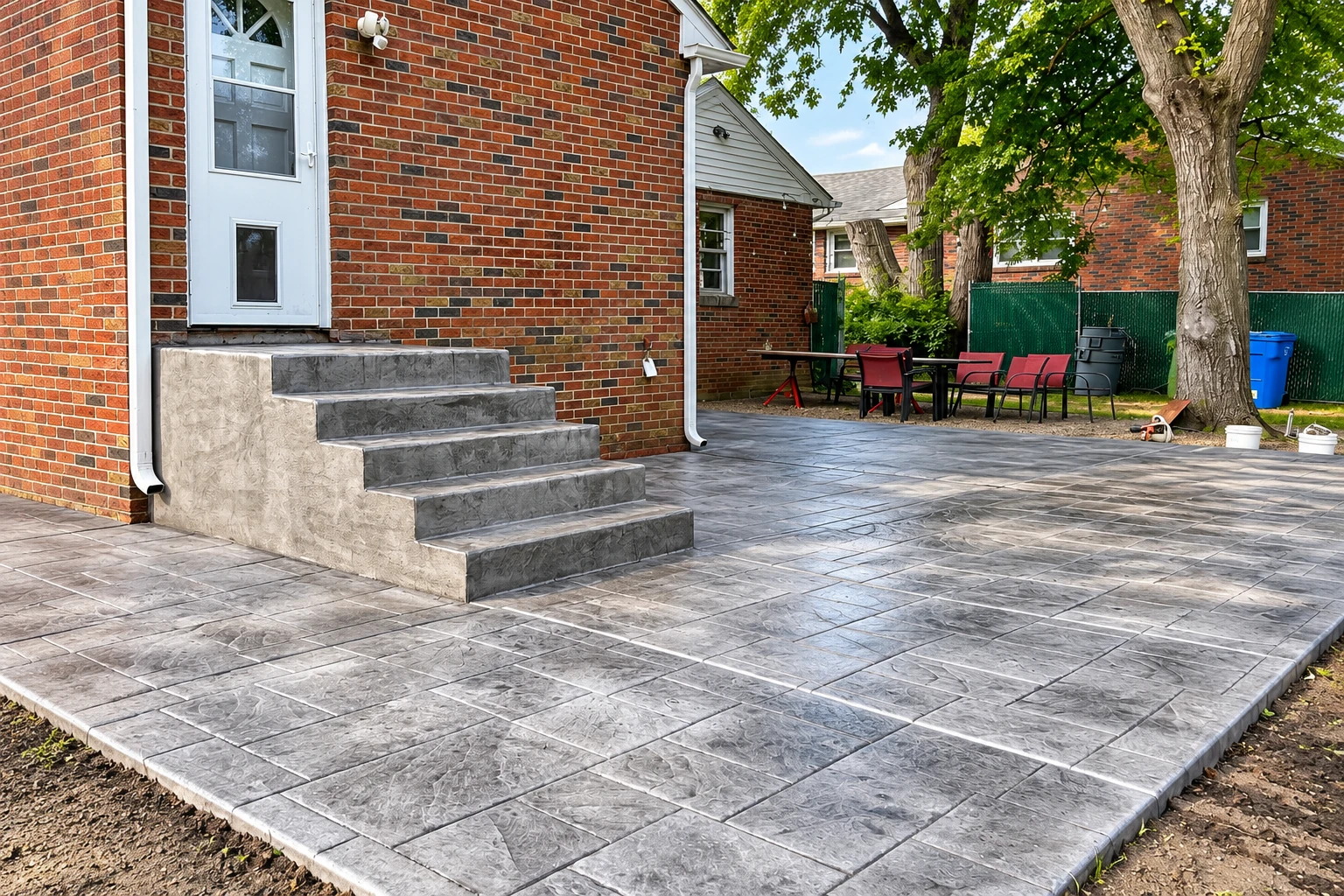
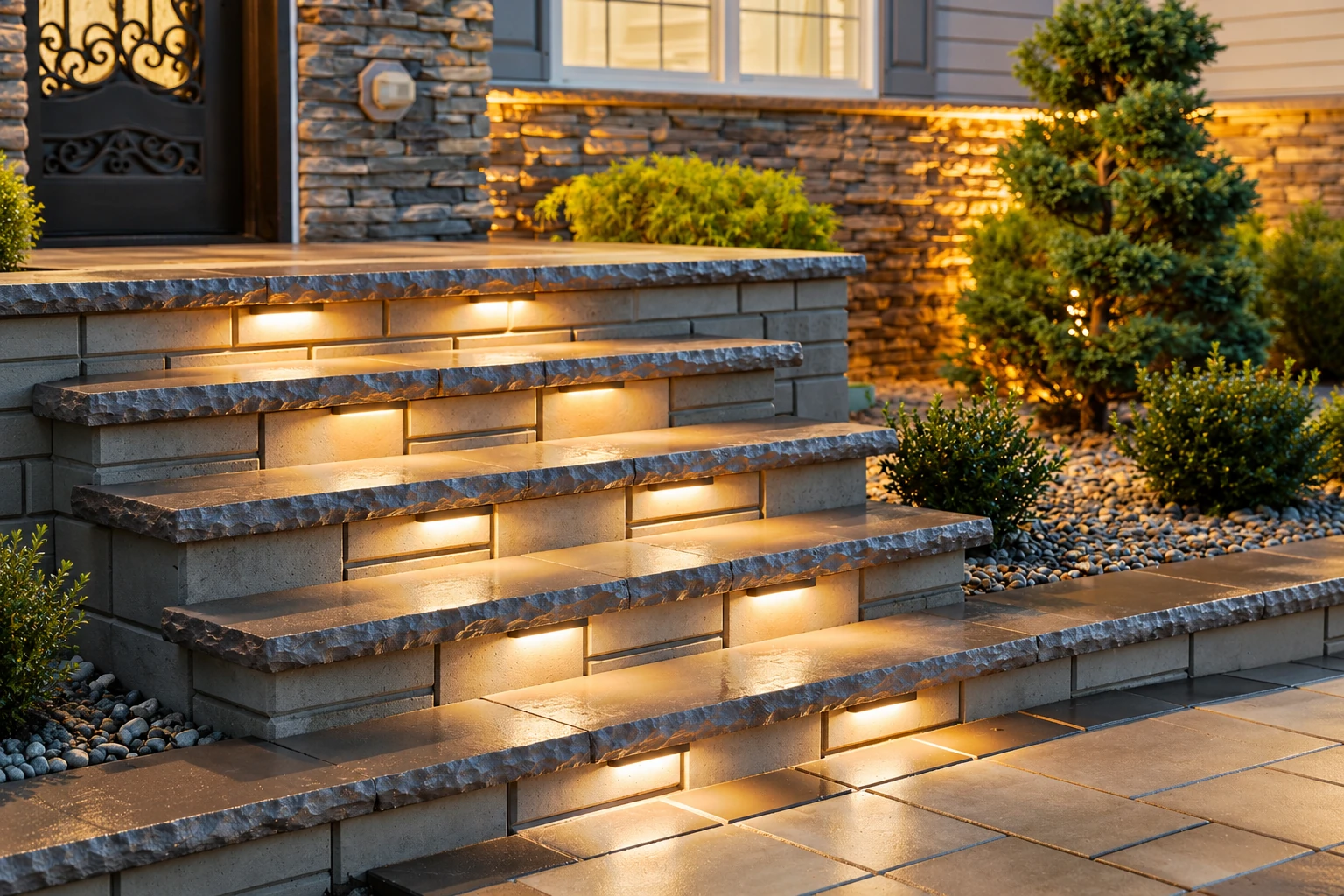
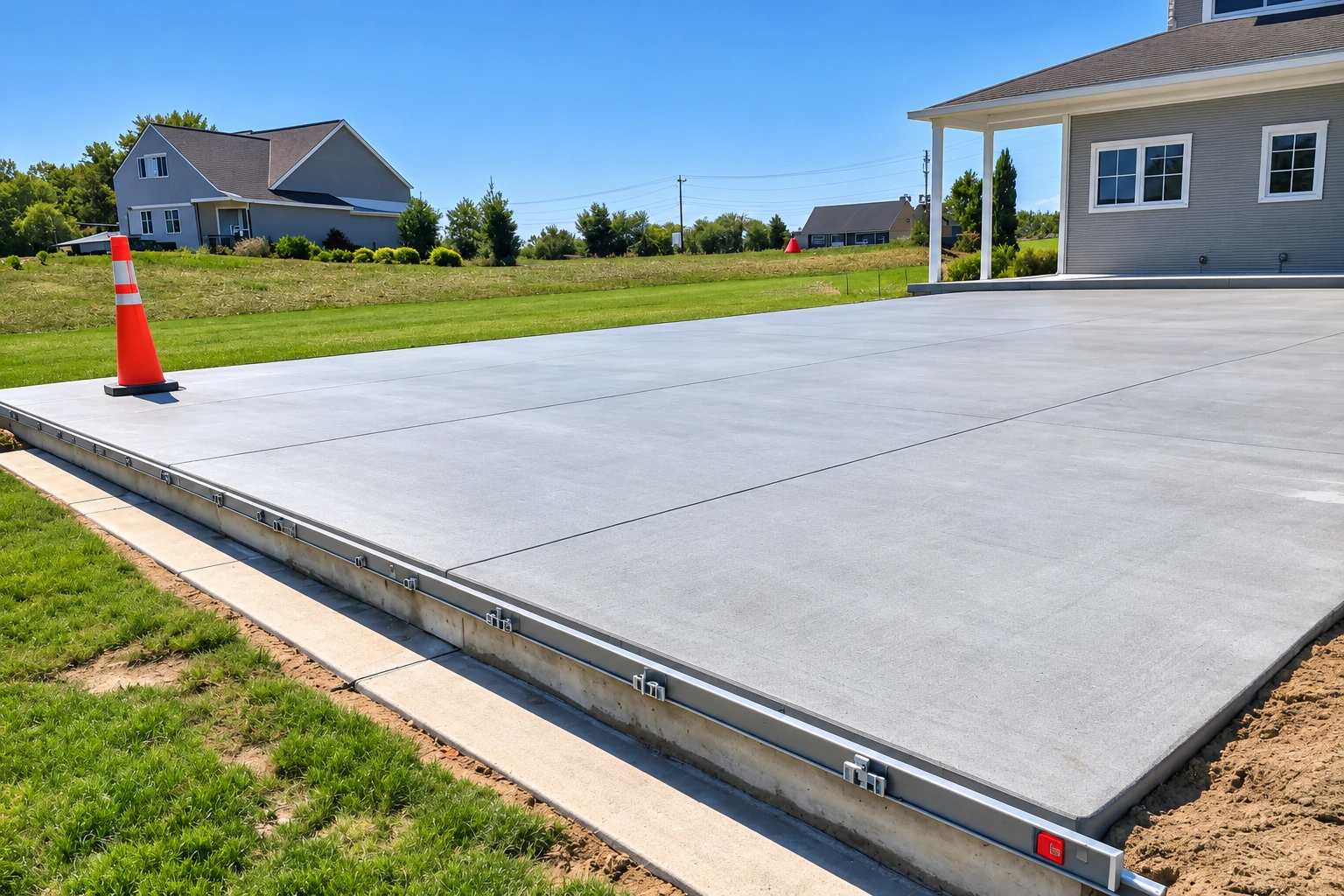
- Fully licensed and insured.
- Free quotes on site.
- Replies within 1 business day.
What goes into building new concrete steps in Hayward?
Concrete steps construction in Hayward means laying out the whole rise from your walk to your door, building forms and pouring new steps that rest on the ground, tie into a landing or foundation, or span between supports. Built on the right footing and steel, they give you a firm, even way in and out of the house for a long time.
Most calls I get about steps start with an old set that has cracked, dropped at one end or pulled away from the porch, and the owner wants to know whether to patch it or start over. The price turns mostly on the size of the job and what the new steps will sit on, and the schedule turns on the forms, the cure and any permit review. I'll give you your own figure in the estimate I write up after I see your entry.
How do you know your concrete steps need replacing?
Steps pulling away from the house
A gap that opens between the top step and the porch or wall usually means the steps have settled because they were poured on loose fill instead of a real footing. Left alone, water runs into that gap and the steps keep dropping, so the fix only gets bigger.
One step sitting higher
When one tread sits higher or lower than the rest, the steps are settling unevenly. Even a small change in height is enough to trip someone, so this one is worth fixing soon rather than waiting.
Chipped edges and crumbling corners
Pieces breaking off the front edges and corners usually point to a weak top or concrete that took knocks while it was young. Each chip leaves the edge more uneven and lets water into the cracks, and steps in that shape rarely get better with patching.
How we handle concrete steps construction
I want to know what your steps will sit on before we talk about how they look, so I work out the footing and the rebar before anything else. The footing is the concrete base under the steps that carries their weight, and rebar is the steel inside that holds them together when the concrete wants to crack. Then our crew breaks out the old steps if there are any, digs out and packs the base, builds the forms and pours, and we give the treads a broom finish, a light dragged texture that gives your shoes grip when it's wet, unless you'd like something else. New steps need curing on every face and edge, which is a slow, damp first stretch that lets the concrete harden strong, and the corners and front edges need protecting while the concrete is young because that's where a knock breaks off a chunk. If the budget gets tight, I'd rather spend it on the footing than on a fancier surface, since you can redo a finish later but you can't fix what's under the steps without tearing them out.
Steps are often part of a bigger job. When they lead up to a new house or addition, I plan them along with the foundation installation so the steps and the house are built to fit each other, and on a new build the landing can tie into the slab from our slab foundation building work.
Steps that rest on the ground
Most front and back entries with a short rise suit steps that sit on their own footing on the ground. It's the simplest way to a firm set, as long as the footing is planned and not left to loose fill.
Steps tied to a landing or slab
When your steps meet an existing porch, landing or foundation, we connect them to it so they work as one piece. This suits entries where the old steps pulled away and you want the new ones tied in instead of sitting loose against the house.
A spanning stair
Some stairs carry their own weight between supports at the top and bottom instead of resting on the ground all the way down. It suits a taller rise, and it takes more steel and a design worked out before we form anything.
Get a written estimate for your new steps
Send the form and we'll get back to you within one business day to set up a visit. I come out, look at your entry, listen to what you want and write up a free estimate, with no obligation to go ahead.
(510) 333-4444Concrete steps construction in Hayward and what the city asks for
If your new steps reach the public sidewalk or street, the City of Hayward requires an Encroachment Permit for work in its public right-of-way, which takes in the streets and sidewalks, and it can be a Minor or a Major permit depending on the area, how long the work runs and how big it is. When your job needs a permit, we handle the paperwork and inspections with you. For other questions about a building project, the city's Permit Center takes project documents and gives more information at (510) 583-4005.
A lot of the steps we replace here lead up to raised front porches on older houses, and the ones in trouble were usually poured on fill that was never packed. We see the same entries on jobs in Castro Valley and San Leandro, and we handle them the same way, starting with what's under the steps.
What happens after you call about new steps in Hayward?
Call or send the form
Call (510) 333-4444 or send the form with a little about your steps, and we'll set up a time for me to come out. A few photos of the entry help me come prepared.
I come out and measure
I look at your entry myself, measure the rise, check what the old steps sit on and listen to what you want. Then I write up an estimate and walk you through what each part of the price pays for, from the footing and steel to the finish.
Permits, prep and the pour
Once you're ready, we line up any permits and engineering, then our crew does the prep and the pour with me running the work. If an Encroachment Permit is needed, Hayward says it typically takes five to ten business days to process, or fifteen business days for first review when traffic control is involved, not counting any time to revise and resubmit.
Walk the finished steps together
We finish the treads, clean up and walk the finished steps with you. I'll go over how to treat them while the concrete is still young.
Frequently asked questions
How much does it cost to build concrete steps in Hayward?
The price comes down to your entry, mainly how many steps you need, how high the total rise is, how the steps are supported and whether old concrete has to come out first. A landing, tying into an existing porch, a tight spot to work in or a decorative finish instead of a plain broomed one all add to it. I'll write up your figure after I see the site.
Should I choose poured or precast concrete steps?
Poured steps are the better choice when your rise doesn't match a standard precast size or the new steps need to tie into an existing slab. They cost more than precast because of the labor to build the forms, so it helps to know which kind of entry you have before you compare prices. I'll tell you which yours is when I measure.
How long do concrete steps last?
Properly reinforced concrete steps on an adequate footing typically last 30 to 50 years, with little upkeep beyond resealing now and then. That life depends on the steel and the footing, so ask any contractor how they'll build both before you sign.
What causes concrete steps to sink or pull away from the house?
Steps usually sink or pull away because they sit on loose fill that was never packed, with no footing planned for how they're supported. The steel and footing a set needs depend on whether it rests on the ground, ties into a landing or foundation, or spans, and that holds for a decorative set too. That's why the plan for new steps should say what they rest on.
How long does new concrete take to reach full strength?
Concrete cured on site typically takes 7 to 28 days to reach full strength, and anything built on or against it has to wait for that. Steps can usually take foot traffic before then, and I'll tell you when yours are ready.
Will new concrete steps crack like my old ones?
New steps can still get fine cracks, because concrete shrinks as it hardens and no honest contractor can promise it won't. What keeps a crack from turning into a broken or sinking step is the steel inside and the footing underneath, and that's the part we spend our time on.
Hayward, CA
Get your new front steps planned
Have a count of your steps, the total rise from the walk to the door and a few photos of the entry ready, and we can talk through your job on the first call.