
Concrete sidewalk building in Hayward, CA - a firm base and a walk that sheds water
Cracked, lifted or sinking sidewalk slabs in front of your house? We dig out, pack the base and pour a new walk that drains.
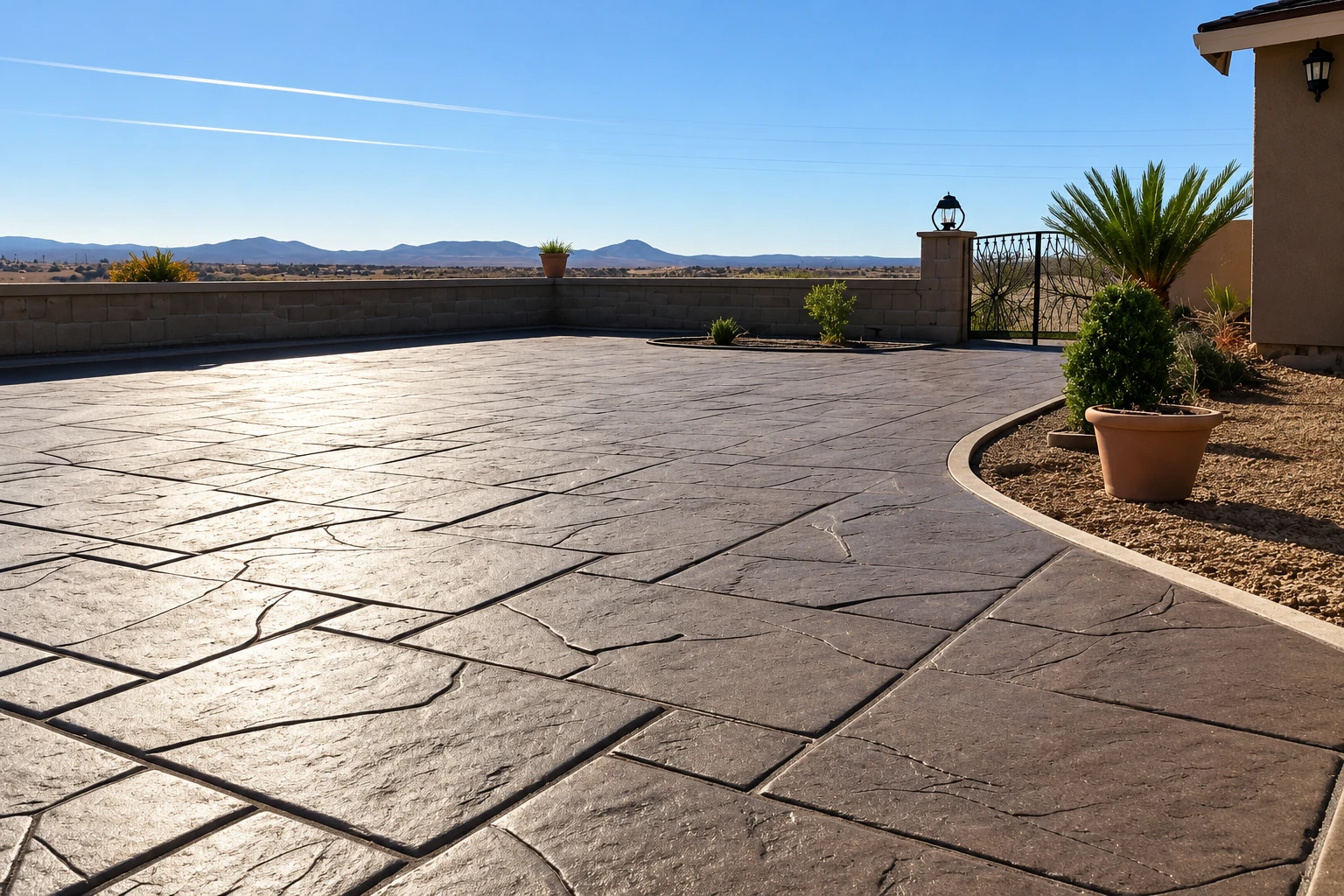
- Fully licensed and insured.
- Free quotes on site.
- Replies within 1 business day.
What does it take to build a new concrete sidewalk in Hayward?
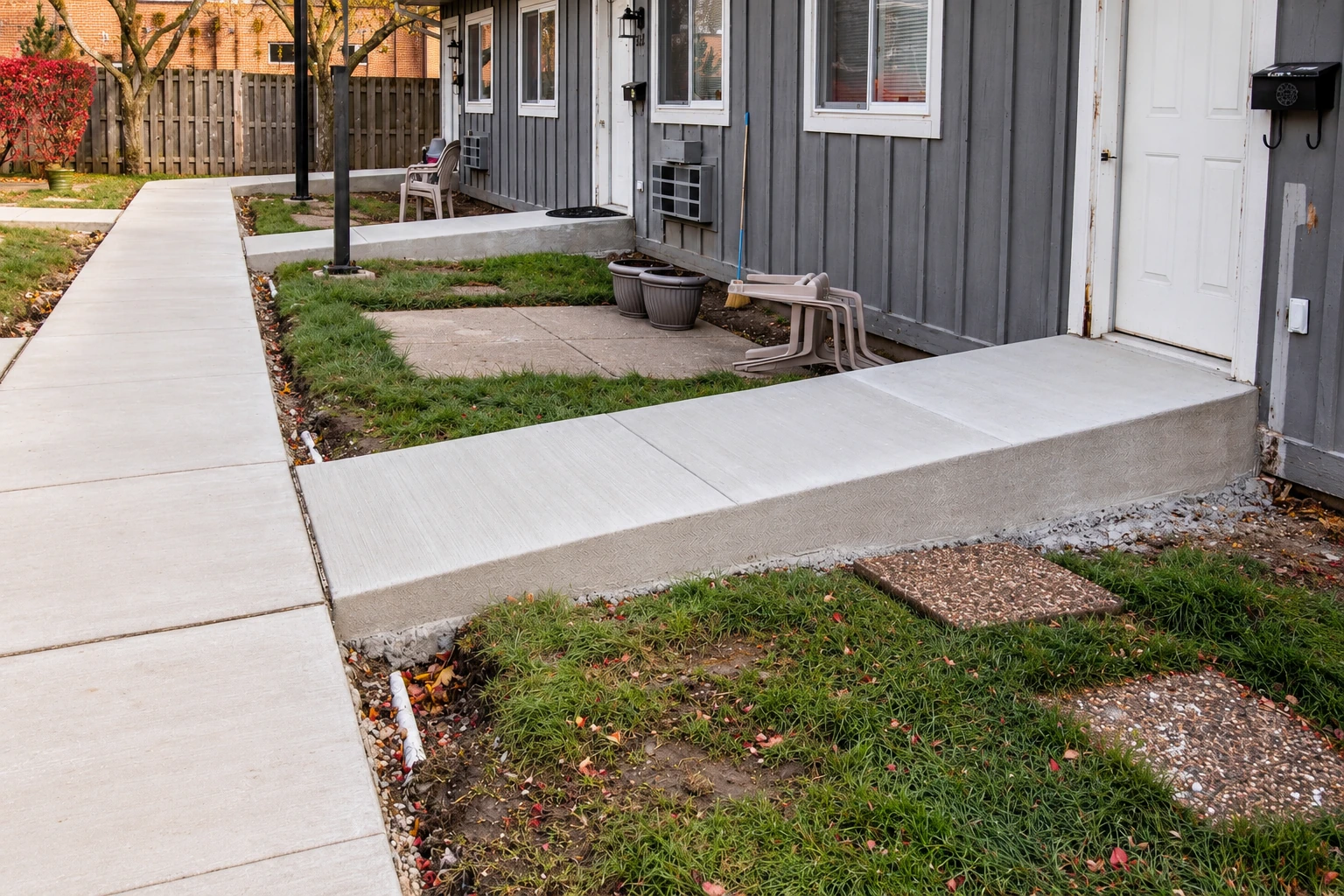
Concrete sidewalk building in Hayward, CA means breaking out the old walk, building a firm base under it, then forming, pouring and finishing a new concrete walk that drains the way it should. The pour itself goes quickly, but the walk needs a few days of curing, the slow hardening that gives concrete its strength, before it takes regular foot traffic.
Most people call us because the walk out front has cracked, lifted or started holding water, and they want it fixed once. The price moves mostly with the size of the walk, whether there's old concrete to tear out and haul away, how much soft ground has to come out underneath and the finish you pick, while the schedule turns on the weather, the curing time and, for a public sidewalk, the city permit. If the walk ties into your front steps, we can rebuild those in the same job with our concrete steps construction work, and when I come out I'll write up an estimate that breaks each of those pieces down for your walk.
How do you know your sidewalk needs replacing?
Slab edges lifted up
When one section sits higher than the next, it's usually a tree root or swelling soil pushing up from below. That lip catches toes, and the longer it goes, the more the slab cracks around the high spot.
Sections sinking or tilting
A slab that drops or leans usually means the dirt under it was never dug out and packed, so it's settling. Once a section tips toward the house, the water heads that way too, and the gap opens a little more every wet season.
Water pooling after rain
Puddles that sit on the walk mean it's flat or has a low spot instead of a fall that sends water off the edge. Standing water works into the surface until the top starts chipping and flaking, and on a tilted walk it can end up against your foundation.
How we build a concrete sidewalk
No new walk stays crack free, so I put our effort into the parts that decide how it holds up. We break out the old concrete and haul it off, then dig out the soft dirt and pack the subgrade, the ground the slab sits on, until it's firm. We set the forms so water runs off the walk and away from the house, and we pour early in the day, because concrete placed in midday heat dries too fast and leaves a weak, dusty top. Our crew gives it a broom finish, a light texture that keeps feet from slipping when it's wet, and cuts control joints, shallow lines that give the slab a planned place to crack, before it has a chance to crack on its own. Then we keep it damp while it cures, since concrete that dries out too soon ends up weaker. If the budget is tight, I'll tell you to spend it on the base before the finish, because nobody sees the base on day one but it's what decides whether your walk settles.
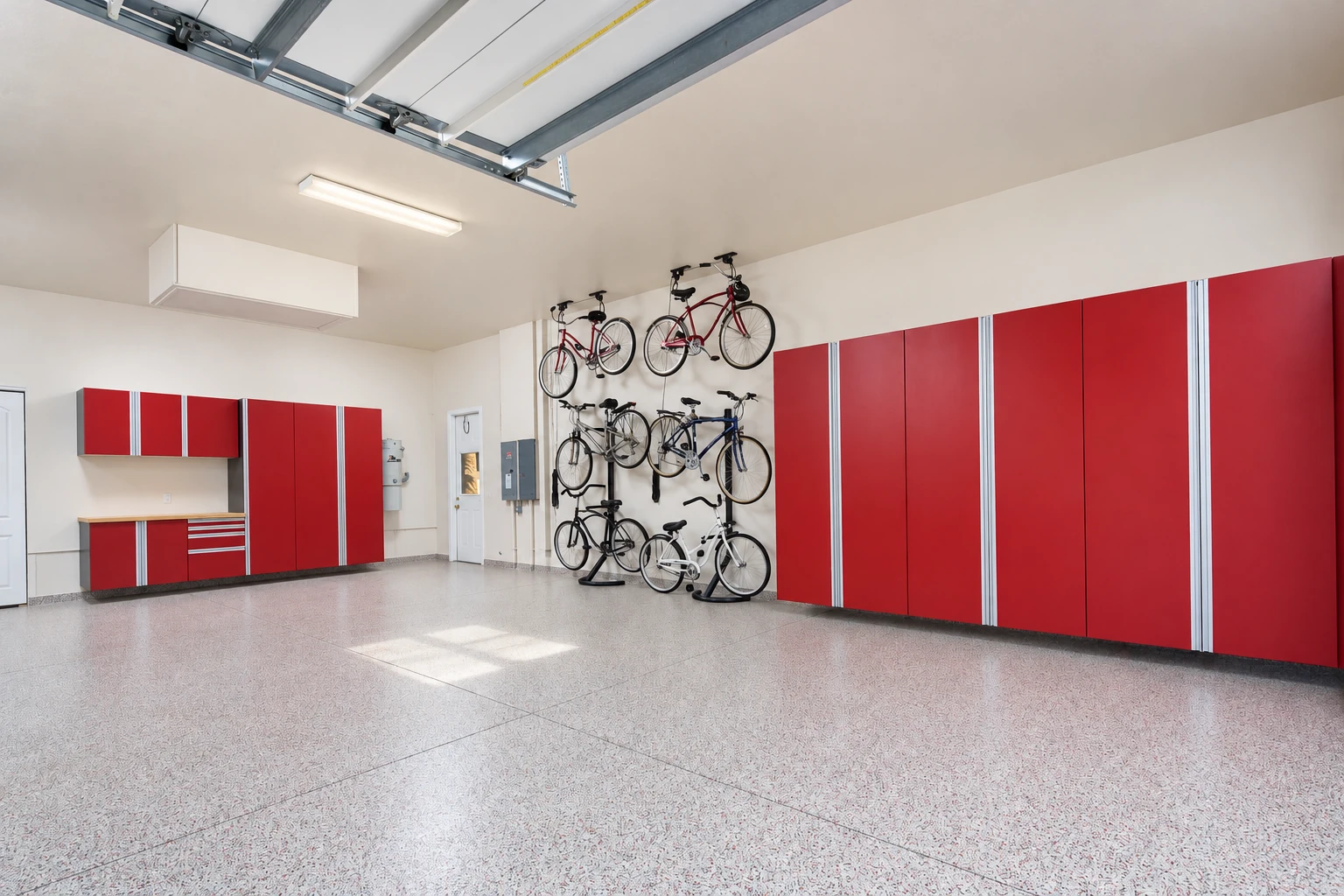
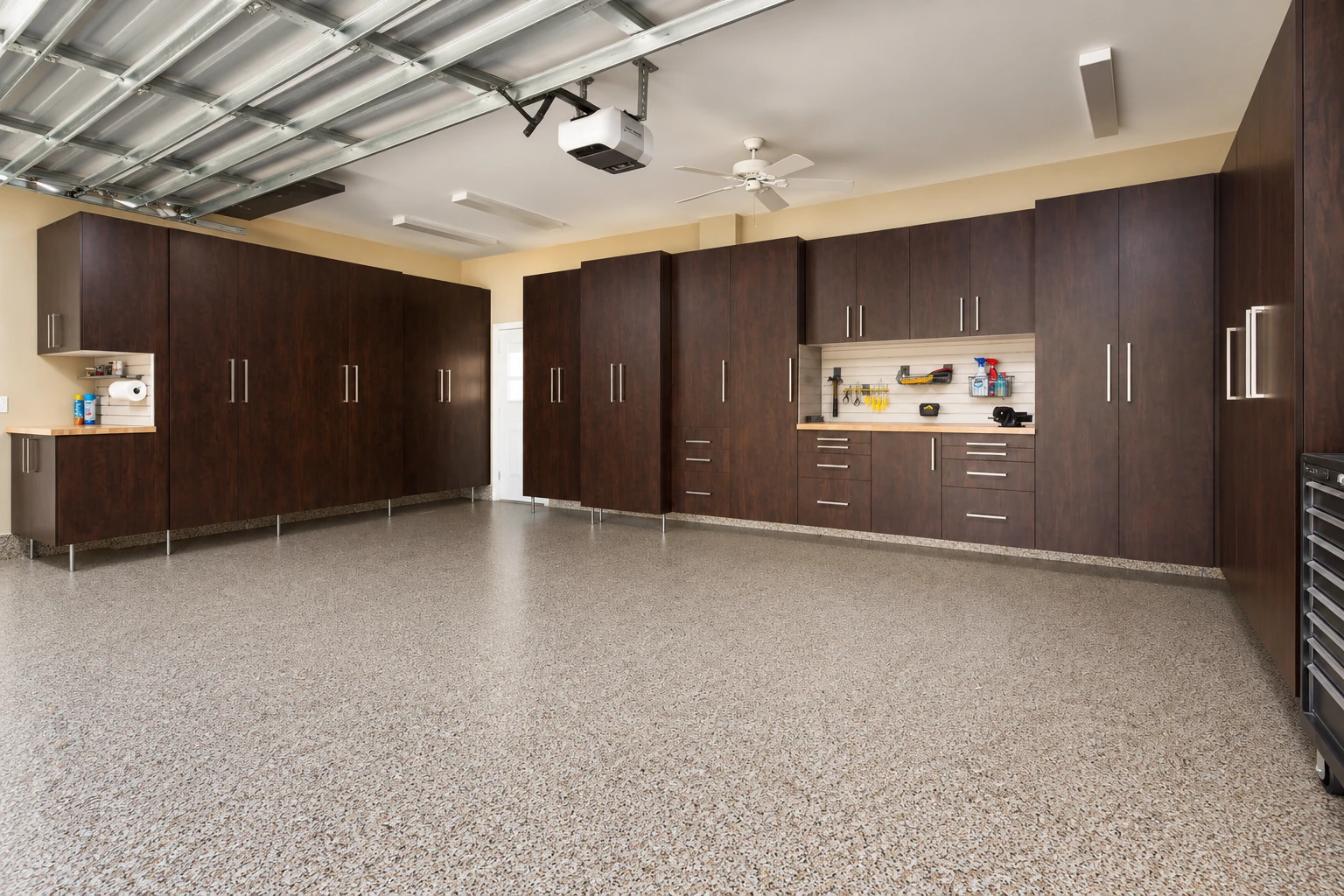
A new walk often leads to the next project close by. If the walk runs up to the garage and the floor in there is cracked or sinking too, our garage floor concrete work can be lined up with it. If you'd like color or a pattern instead of plain gray, decorative concrete works on a walk as well, and I'll tell you plainly where it's worth the extra cost.
Full tear-out and replacement
This suits a walk that's cracked, lifted or sinking along most of its length, because a new top over a bad base just cracks again. We take the old slab down to the dirt so we can fix what's underneath.
Replacing only the bad sections
This suits a walk where most slabs are sound and one or two have lifted or sunk. We cut out the damaged sections, rebuild the base under them and pour new concrete to meet the old.
Get a free on-site estimate for your sidewalk
We reply within one business day to set up a visit. I come out, look at the walk and the ground around it, listen to what you want and write up a free estimate on site, with no obligation to go ahead.
(510) 333-4444What Hayward requires for concrete sidewalk building
In Hayward, the sidewalk in front of your property is yours to keep up. The city has made clear that under state law, maintenance and repair of a sidewalk falls on the property owner next to it, which is why the bill for a new walk usually lands with you. Any work in the public right-of-way, and that includes the sidewalk, needs an Encroachment Permit from the City of Hayward, and the city says it may be a Minor or a Major permit depending on the area, how long the work runs and its scope. We handle the paperwork and inspections with you, so you're not left sorting out which permit fits your job.
On jobs around here we see plenty of walks lifted by street tree roots and slabs that sank because the dirt under them was never packed, and the fix is the same either way, which is to get underneath and rebuild the base. We run into the same thing on jobs in Castro Valley and San Leandro, and we work in the cities around Hayward across the East Bay and over on the Peninsula.
What happens when you call about a new sidewalk in Hayward?
Call or send the form
Call (510) 333-4444 or fill out the form with a few details about the walk. We get back to you and set a time for me to come out.
I come out and measure
I look at the walk, the ground under it and where the water goes, and listen to what you want. Your estimate shows what the tear-out, the base, the concrete and the finish each cost, so you know what you're paying for before anything is scheduled.
We line up the permit
For work on the public sidewalk, the city says permits usually take five to ten business days to process, not counting any time spent revising and resubmitting. A permit that needs traffic control takes fifteen business days for the first review, so we set the pour date around whichever applies.
We pour, finish and walk it
We prep the base, pour and finish the walk on the scheduled day, weather permitting. Before we call it done, I walk the finished sidewalk with you so you can see the slope, the joints and the finish.
Frequently asked questions
How much does a new concrete sidewalk cost in the Bay Area?
A 4-inch concrete slab, installed, usually costs about $13 to $18 per square foot in the Bay Area, so treat that as a starting point for the area and not as our price. Your own number moves with the tear-out, how much base work the ground needs, the finish and whether a permit is involved. I'll give you a figure for your walk once I've come out and looked at it.
Will my new concrete sidewalk crack?
Most likely it will crack somewhere, because all concrete tends to crack and no new walk is completely crack free. What a good crew controls is where, using joints across the walk, saw cut or tooled at the right time, to take up the movement that comes with changes in temperature and moisture. Ask any contractor you talk to how and when they'll make the joints.
Is wire mesh worth adding to a concrete sidewalk?
Mesh or other reinforcement won't stop a sidewalk from cracking, but well-placed reinforcement can keep the cracks narrower. So if a quote adds steel, you're paying for tighter cracks, not for no cracks. I'll tell you straight whether I think it's worth it on your walk.
How long does a new concrete sidewalk need to cure?
Concrete industry guidance calls for curing to start as soon as possible after the pour, with a curing compound or damp burlap kept moist for at least 3 days. That step helps the walk come out durable and better at resisting cracks, so plan on care of the walk going on past pour day. We'll tell you when it's ready to use.
What is the best way to keep a new concrete sidewalk from settling?
The best way is good ground preparation before the pour, because a walk only sits as firm as what's under it. Industry guidance is to remove all topsoil and soft spots and set the slab on compacted soil or granular fill, packed well by rolling, vibrating or tamping. That's the part of the job I won't let anyone rush.
What license does a concrete contractor need in California?
California's C-8 Concrete Contractor classification is the one that covers pavement, flat and other concrete work, which takes in a sidewalk. You can look up a contractor's license with the Contractors State License Board before you hire anyone.
Hayward, CA
Send us the size of your walk
Have the walk's length and width, your street address and a few photos ready when you call or fill out the form, so I come out already knowing what I'm looking at.